In today’s fast-paced world, maintaining a healthy lifestyle can feel like a challenge, but a well-rounded fitness routine is one of the most powerful tools for improving both physical and mental health. Fitness is not just about aesthetics or achieving a certain physique; it’s about feeling strong, energetic, and confident in your own body. A comprehensive exercise routine should include a combination of cardiovascular activities, strength training, flexibility work, and balance exercises. These key components work together to boost overall health, enhance performance, and prevent injuries.
This article aims to provide a comprehensive guide to understanding and incorporating the four pillars of fitness: cardiovascular exercise, strength training, flexibility, and balance. By integrating these components into your routine, you can unlock the full potential of your body and improve your quality of life.
Cardiovascular Exercise: Enhancing Heart Health and Stamina
Cardiovascular exercises, also known as aerobic exercises, are designed to increase your heart rate and improve your heart and lung capacity. Engaging in regular cardio workouts is one of the best ways to improve stamina, burn calories, and enhance overall energy. Cardiovascular activities also help improve circulation and reduce the risk of chronic diseases like hypertension and heart disease.
Running and Jogging
Running and jogging are two of the most popular and accessible cardiovascular exercises. Both exercises involve continuous movement that engages the legs, core, and cardiovascular system. Running, with its higher intensity, is great for building endurance and increasing cardiovascular fitness. On the other hand, jogging offers a lower-impact alternative, making it a good option for beginners or those looking to build up their stamina gradually. Whether on a treadmill, outdoor trail, or along city streets, running and jogging provide excellent workouts for heart health.
Cycling
Cycling is another excellent cardiovascular exercise that works primarily the lower body. Whether cycling outdoors on a scenic trail or indoors on a stationary bike, cycling improves cardiovascular endurance, burns fat, and strengthens the legs. Unlike running, cycling is a low-impact activity, which means it’s gentle on the joints while still offering an intense workout. Whether you’re going for a leisurely ride or performing interval training, cycling is an efficient way to stay fit.
Swimming
Swimming is often considered one of the most effective full-body workouts. The water provides natural resistance, making it an excellent choice for building endurance and strength. Swimming engages all the major muscle groups, from the arms and shoulders to the core and legs. Plus, it’s a low-impact exercise, making it easy on the joints. Swimming laps or participating in water aerobics provides a fun and refreshing way to get your heart rate up and improve overall fitness.
Jumping Rope
Jumping rope is a fun, high-intensity cardiovascular exercise that can be performed almost anywhere. It increases heart rate rapidly and improves coordination, agility, and stamina. With variations such as double unders, high knees, and side-to-side jumps, you can adjust the intensity of your workout. This exercise engages the entire body, including the arms, legs, and core, helping to improve cardiovascular endurance and burn calories effectively.
Dancing
Dance-based exercises, such as Zumba, aerobic dance, or even freestyle dancing, provide a dynamic way to get your heart pumping. The rhythmic movement combined with upbeat music creates an energizing workout that improves both cardiovascular health and mood. Dancing is a great option for people who find traditional cardio workouts monotonous but still want to improve their fitness levels in a fun, social environment.
Strength Training: Building Muscle and Increasing Metabolism
Strength training is a vital part of any fitness routine, particularly if you want to build muscle, increase strength, and improve metabolism. Contrary to common misconceptions, strength training isn’t just for bodybuilders. It’s for anyone looking to tone and sculpt the body, improve posture, and increase functional strength. Strength training boosts metabolism, helping you burn more calories even at rest.
Weightlifting
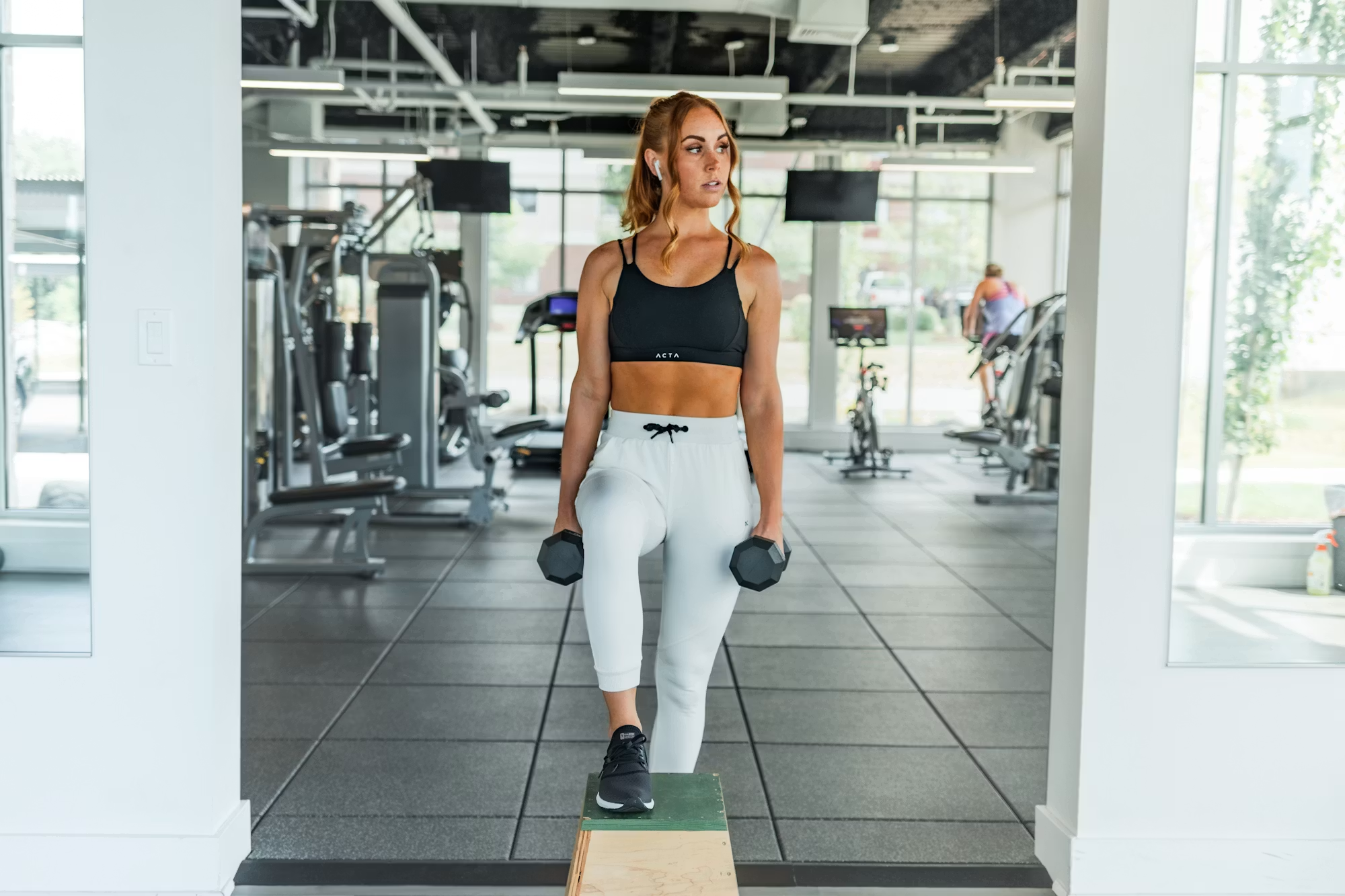
Weightlifting is the classic form of strength training and involves lifting weights to increase muscle mass and strength. This can be done with free weights, machines, or even bodyweight exercises. By progressively lifting heavier weights, you can challenge your muscles and promote growth. Weightlifting also strengthens bones and connective tissues, helping to improve joint health and reduce the risk of injury. For beginners, it’s essential to start with lighter weights to perfect your form and gradually increase the intensity.
Bodyweight Exercises
Bodyweight exercises are an excellent alternative to weightlifting, particularly for beginners or individuals who prefer to work out at home. These exercises use your own body weight as resistance to strengthen muscles. Common bodyweight exercises include push-ups, squats, lunges, planks, and dips. They can be performed anywhere and can be modified to suit any fitness level. Bodyweight exercises help improve functional strength, mobility, and endurance.
Resistance Band Training
Resistance bands are a versatile tool that can enhance your strength training routine. These bands come in different levels of resistance, allowing you to adjust the intensity of your exercises. Resistance band exercises target specific muscle groups, such as the arms, shoulders, legs, and glutes. They are lightweight and portable, making them a great option for home workouts or when traveling. Exercises such as squats, lateral band walks, and bicep curls can help increase muscle strength and tone.
Calisthenics
Calisthenics involves performing bodyweight exercises that focus on strength, flexibility, and endurance. Unlike traditional weightlifting, calisthenics exercises include movements like pull-ups, dips, and push-ups, which require you to move your body through space. These exercises improve core strength, stability, and overall functional fitness. Calisthenics can be done anywhere, making it a great option for those looking for an efficient and effective workout.
Flexibility and Mobility: Enhancing Range of Motion and Recovery
Flexibility is essential for maintaining good posture, preventing injuries, and improving overall mobility. Stretching exercises can also help reduce muscle tension, enhance joint range of motion, and promote relaxation after an intense workout.
Yoga
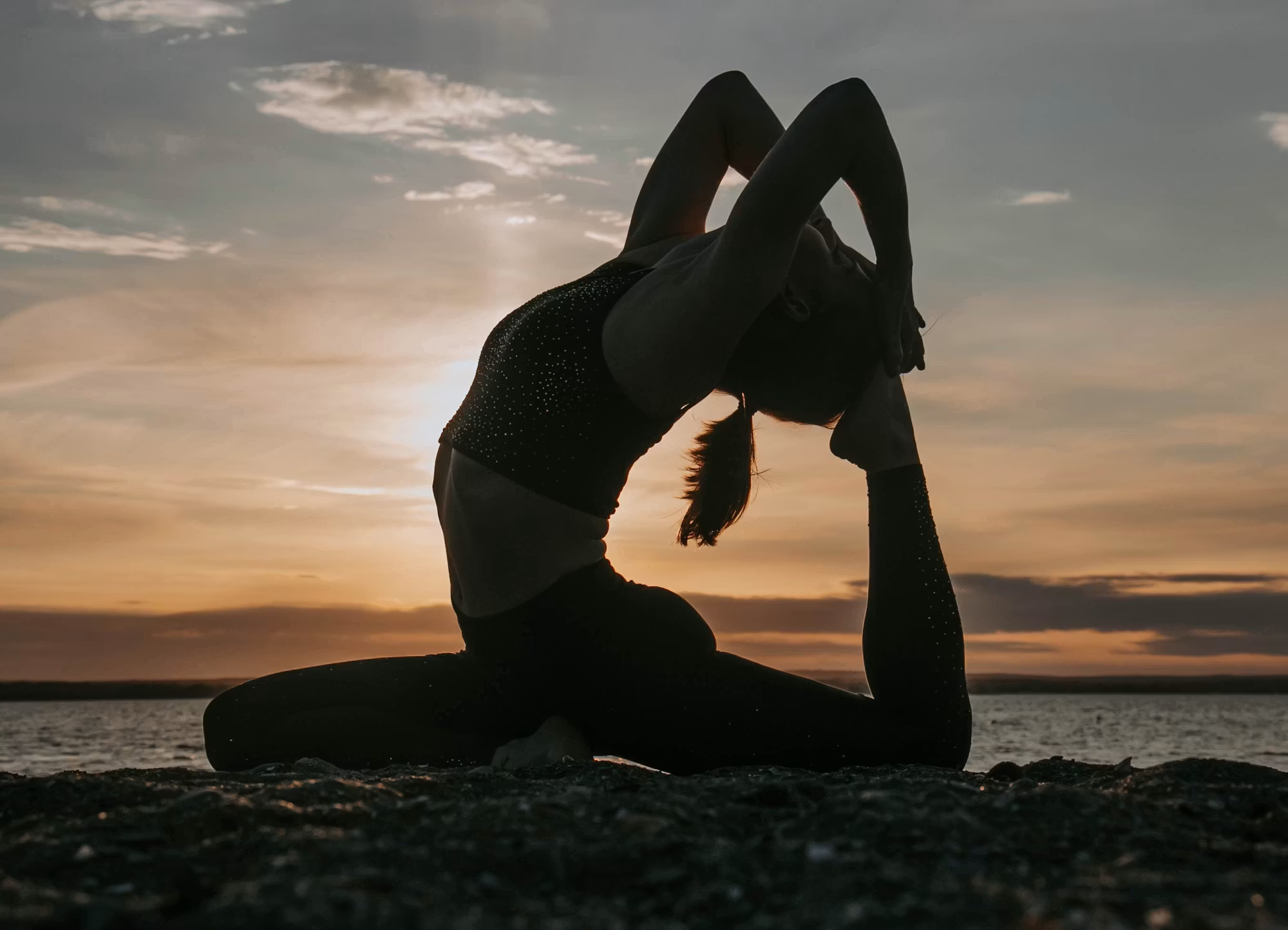
Yoga is a practice that blends flexibility, strength, and mindfulness. It involves a series of poses and stretches that work to increase flexibility, improve strength, and enhance body awareness. Regular yoga practice helps to improve posture, increase balance, and promote mental clarity. Yoga is an accessible practice for all fitness levels and can be adapted to suit individual needs. Whether you practice vinyasa, hatha, or yin yoga, the focus on breathing and mindfulness offers added benefits beyond flexibility.
Pilates
Pilates is a low-impact exercise system designed to improve flexibility, core strength, and posture. Pilates exercises emphasize controlled movements and alignment, targeting the muscles of the abdomen, back, and hips. It’s particularly beneficial for improving flexibility in the spine and pelvic region. Pilates can be performed on a mat or with specialized equipment like the reformer, offering a range of intensity levels.
Static Stretching
Static stretching involves holding a stretch for a period of time, typically 15-30 seconds, to lengthen the muscles and increase flexibility. These stretches should be performed after a workout, when muscles are warmed up, to improve muscle elasticity and joint mobility. Static stretching exercises, such as hamstring stretches, shoulder stretches, and calf stretches, help reduce stiffness and promote recovery.
Balance and Stability: Improving Coordination and Injury Prevention
Balance exercises are often overlooked, but they are vital for improving coordination, preventing falls, and enhancing overall body control. By strengthening stabilizer muscles and improving posture, balance training can help you perform better in other areas of fitness and reduce the risk of injury.
Balance Exercises
Balance exercises improve your ability to maintain stability and coordination. These exercises can be performed using tools like balance boards, stability balls, or simply by standing on one leg. Balance training helps improve body control, enhances posture, and boosts athletic performance. It’s especially beneficial for older adults or those recovering from injuries, as it helps prevent falls and promotes functional movement.
Core Strengthening
A strong core is essential for maintaining balance and stability. Core exercises, such as planks, Russian twists, and leg raises, target the muscles of the abdomen, lower back, and pelvis. A strong core supports good posture, improves balance, and enhances performance in other physical activities. Core exercises are essential for reducing the risk of back pain and improving overall functional strength.
Conclusion: Building a Well-Rounded Fitness Routine
A holistic approach to fitness incorporates cardiovascular exercises, strength training, flexibility, and balance exercises. Each component contributes to overall health, and by including all of them in your workout routine, you can achieve a well-rounded and sustainable fitness plan. Whether you’re training for a specific goal or simply aiming to improve your overall fitness, variety and consistency are key. By dedicating time to each of these four pillars of fitness, you will enhance your stamina, strength, flexibility, and stability. Remember, the journey to better fitness is about consistency and finding what works best for you.
Stay committed to your fitness routine, and always listen to your body’s needs. With time, effort, and the right balance of exercise, you’ll reap the rewards of a healthier and stronger body.